


Moutai HistoryWhat is MOUTAI
Moutai liquor is a traditional Chinese specialty and one of the world’s three major distilled spirits, alongside Scotch whisky and Cognac. It has over 800 years of history and is the progenitor of Daqu sauce-flavored liquor, recognized as one of China's "Three Famous Liquors."
Guizhou Moutai is known for its prominent sauce aroma, elegance, rich body, and long-lasting aftertaste. Its unique style stems from traditional brewing techniques influenced by the Chishui River basin's environment and seasonal production methods, such as practices during the Dragon Boat and Double Ninth Festivals.
In 1996, Moutai's brewing methods were classified as state secrets. It was recognized as a national intangible cultural heritage in 2001 and included in UNESCO's list in 2006. Moutai was also approved as a "Geographical Indication Product" in 2001.
Moutai HistoryThe Origin of Moutai
Moutai liquor is the most famous type of Chinese baijiu and ranks alongside Scotch whisky and French brandy as one of the world's most popular spirits.
Made primarily from sorghum and wheat, Moutai is produced exclusively in Moutai Town, Guizhou Province. The unique microclimate of Moutai Town supports the growth of specific microorganisms during fermentation, while the special water and soil of the Chishui River Valley contribute to Moutai's distinctive flavor: exceptionally pure, rich, and aromatic.
The production of Moutai is seasonal and requires at least three years of processing for just a drop of the liquor. The entire production process involves multiple distillation stages, combining traditional techniques with up to nine cycles of fermentation and distillation. This craftsmanship, passed down through centuries, ensures the outstanding quality of Moutai.
Brewing ProcessThousand-Year Craft of Sauce-Flavor Baijiu
The 12987 Brewing ProcessGuizhou Moutai is known for its prominent sauce aroma, elegance, rich body, and long-lasting aftertaste. Its unique style stems from traditional brewing techniques influenced by the Chishui River basin's environment and seasonal production methods, such as practices during the Dragon Boat and Double Ninth Festivals.

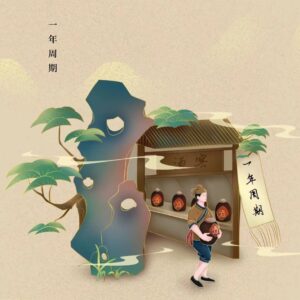
The production cycle for sauce-flavored baijiu takes one year. It starts with the fermentation process during the Dragon Boat Festival and ends with sealing the liquor into storage tanks. The entire process takes a full year to complete.
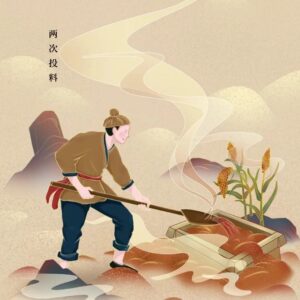
During the production cycle, grain is added twice: once during "Xia Sha" (first round of grain) and once during "Cao Sha" (second round of grain). In the subsequent brewing stages, no new grain is added, and the fermented grain mass is repeatedly fermented and steamed.
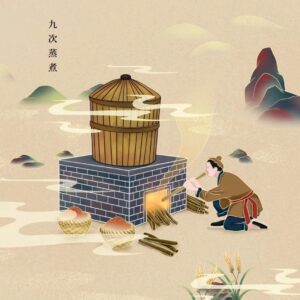
The process involves nine rounds of steaming, repeated in cycles. After the initial "Xia Sha" (first round of grain addition), the grain is steamed, followed by "Cao Sha" (second round of grain addition) and mixed steaming. The steamed grain is then spread out to cool, sprinkled with yeast, piled up, and placed into pits for fermentation. After sealing the pit for fermentation, the fermented mass is retrieved and steamed for six rounds in a cycle, with each step involving one steaming, leading to a total of nine steaming processes.
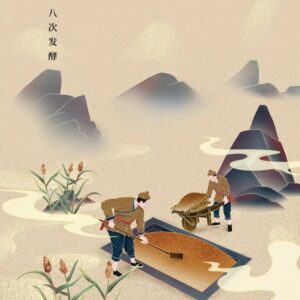
The fermentation process is repeated eight times. Due to the coarse nature of the crushed raw materials and the high starch content in the fermentation mass, the starch is gradually consumed during each fermentation round. Even after the eighth fermentation, approximately 10% of the starch content remains in the mass. This multi-stage fermentation is crucial for developing the unique flavors and complexity of Moutai's signature taste.
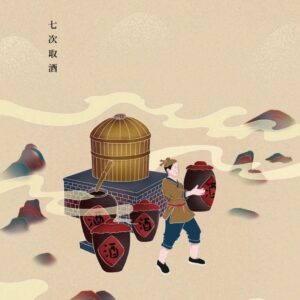
During the production process, liquor is extracted seven times, with each extraction producing a unique quality of liquor. After the third steaming, the first liquor extraction takes place in December, followed by subsequent extractions in January of the following year. After each extraction, the process continues with cooling the distillers' grains, adding yeast, stacking, cellar fermentation, and sealing. This cycle repeats monthly, resulting in a total of seven extractions. Each batch contributes to the final blend, adding layers of complexity and depth to the flavor of Moutai.
Unique Aspects of the Brewing ProcessHigh-Temperature Pile Fermentation
It is the most classic and innovative example of the qu fermentation method in the production of Chinese baijiu. Through high-temperature pile fermentation, it forms the unique aromatic compounds of Feitian Moutai and also produces amino acids and other nutrients through the microbial cell proteins.
Unique Aspects of the Brewing ProcessHigh-Temperature Qu Preparation
During the fermentation process, the temperature can reach up to 63°C, which is 10-15°C higher than that of other famous baijiu.
This allows for the selective cultivation of environmental microbial species, forming a microbial system that produces aroma at high temperatures, achieving beneficial effects while minimizing harm during the qu preparation process.
Unique Aspects of the Brewing ProcessHigh-Temperature Distillation
The distillation temperature can exceed 40°C, which is 10-20°C higher than that of other baijiu. The purpose is to:
- Separate the effective components produced during the fermentation of Feitian Moutai.
- Remove by-products, harmful substances, or low-boiling-point compounds generated during the fermentation process, which is a key reason why Feitian Moutai does not cause dryness in the mouth or hangovers.
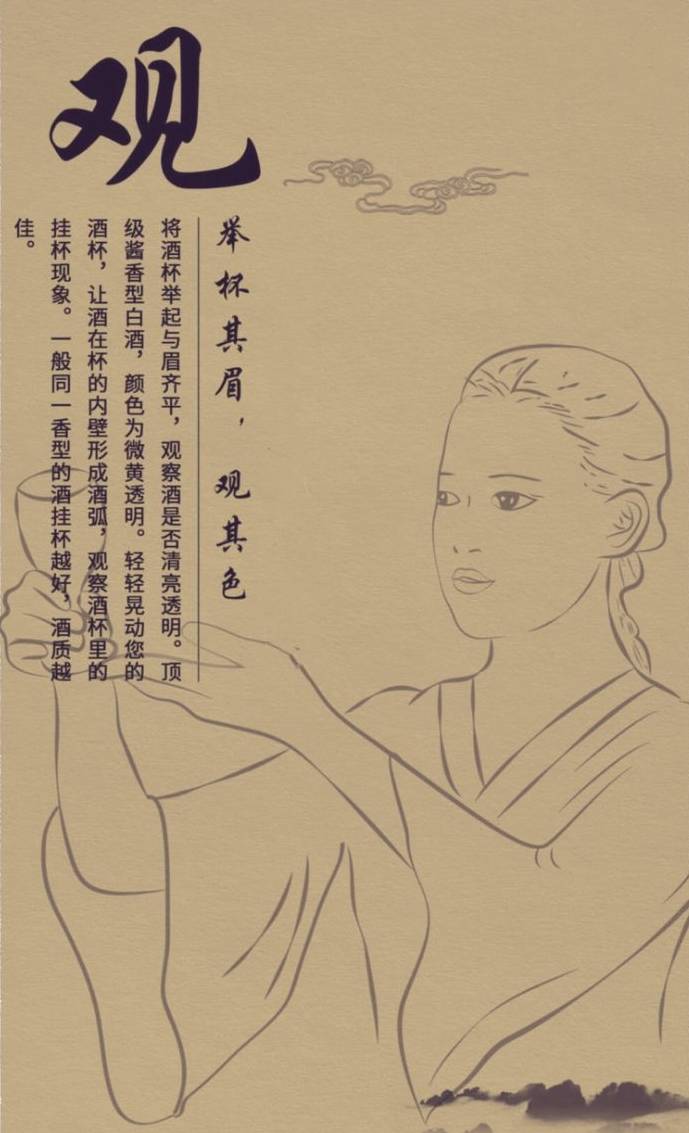
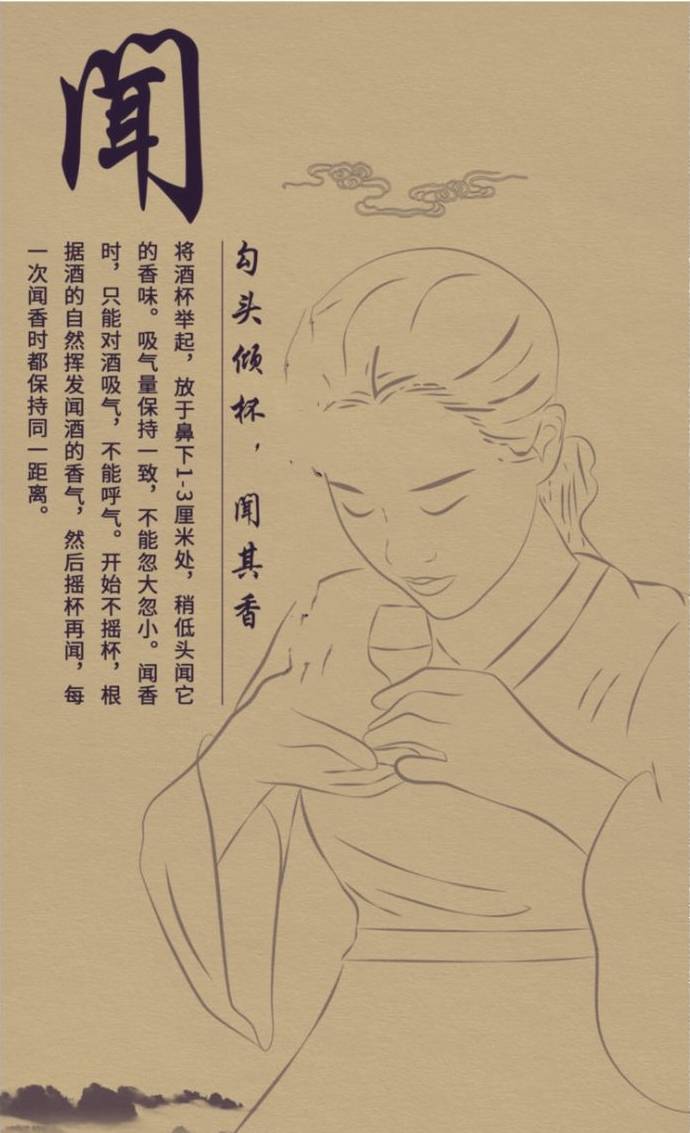
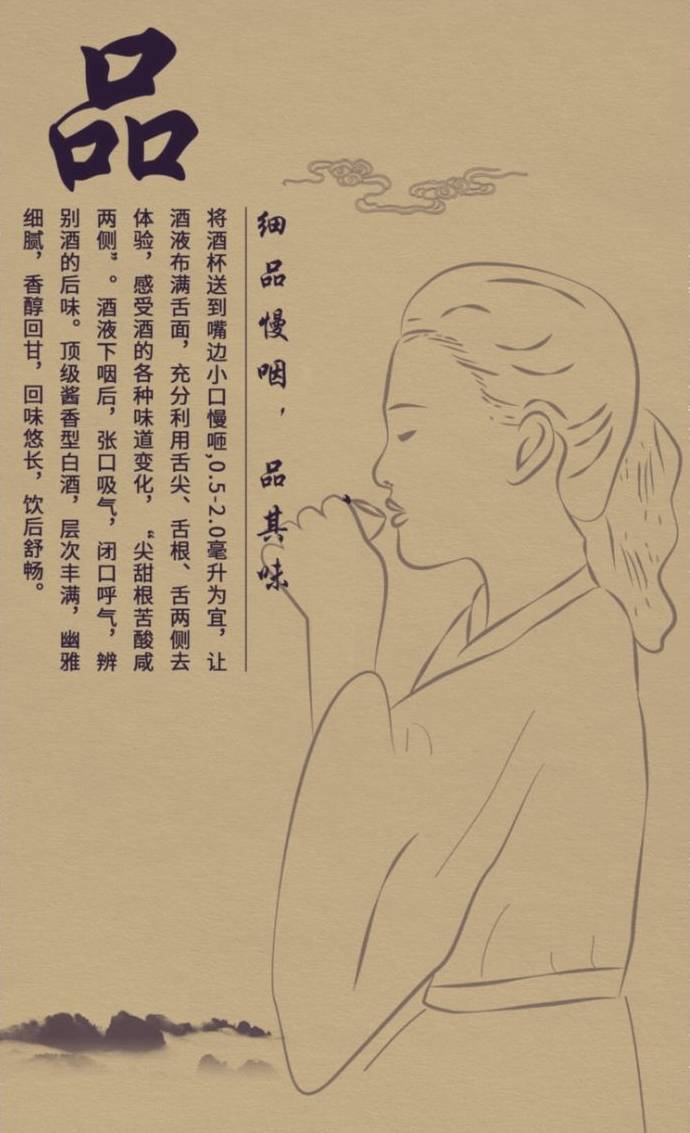
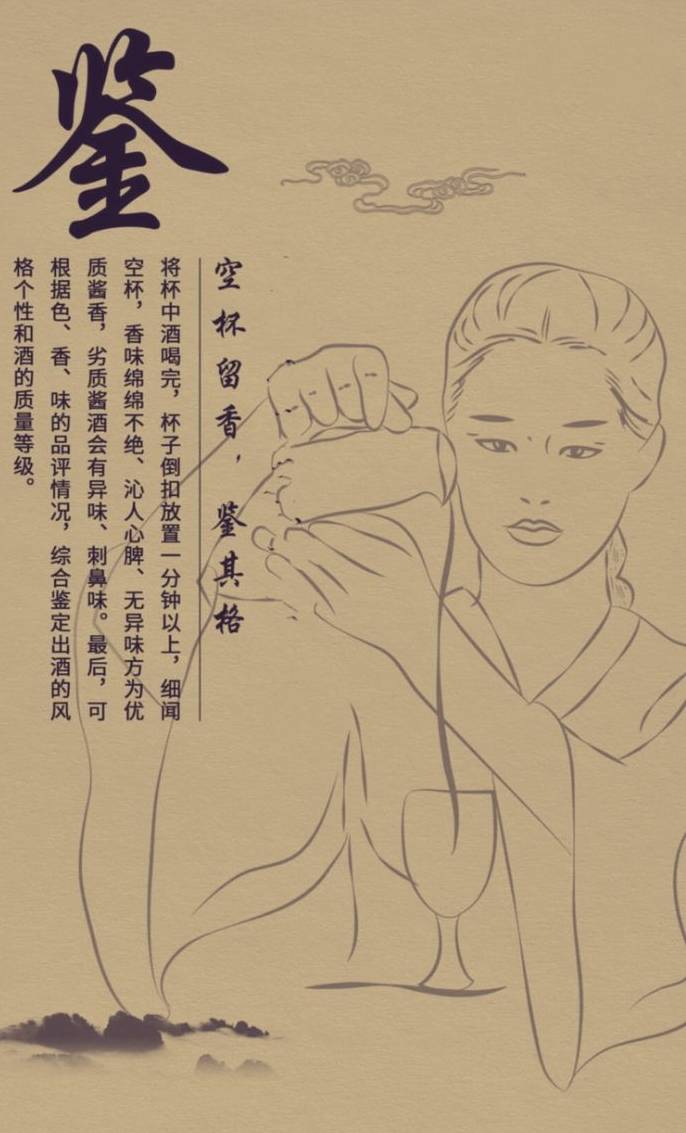
Tasting Guides4 methods of tasting Moutai
Observe Color
Check the clarity and hue of the wine.
Smell Aroma
Inhale the fragrance to identify the various aromatic notes and complexities.
Taste Flavor
Sip the wine and let it linger on your palate to experience its richness and depth.
Savor Essence
Reflect on the aftertaste and overall experience to grasp the wine's unique character.
Tasting GuidesFood Pairing Guide
Moutai pairs well with rich, flavorful dishes, as carefully selected foods enhance its unique flavor and elevate the drinking experience.
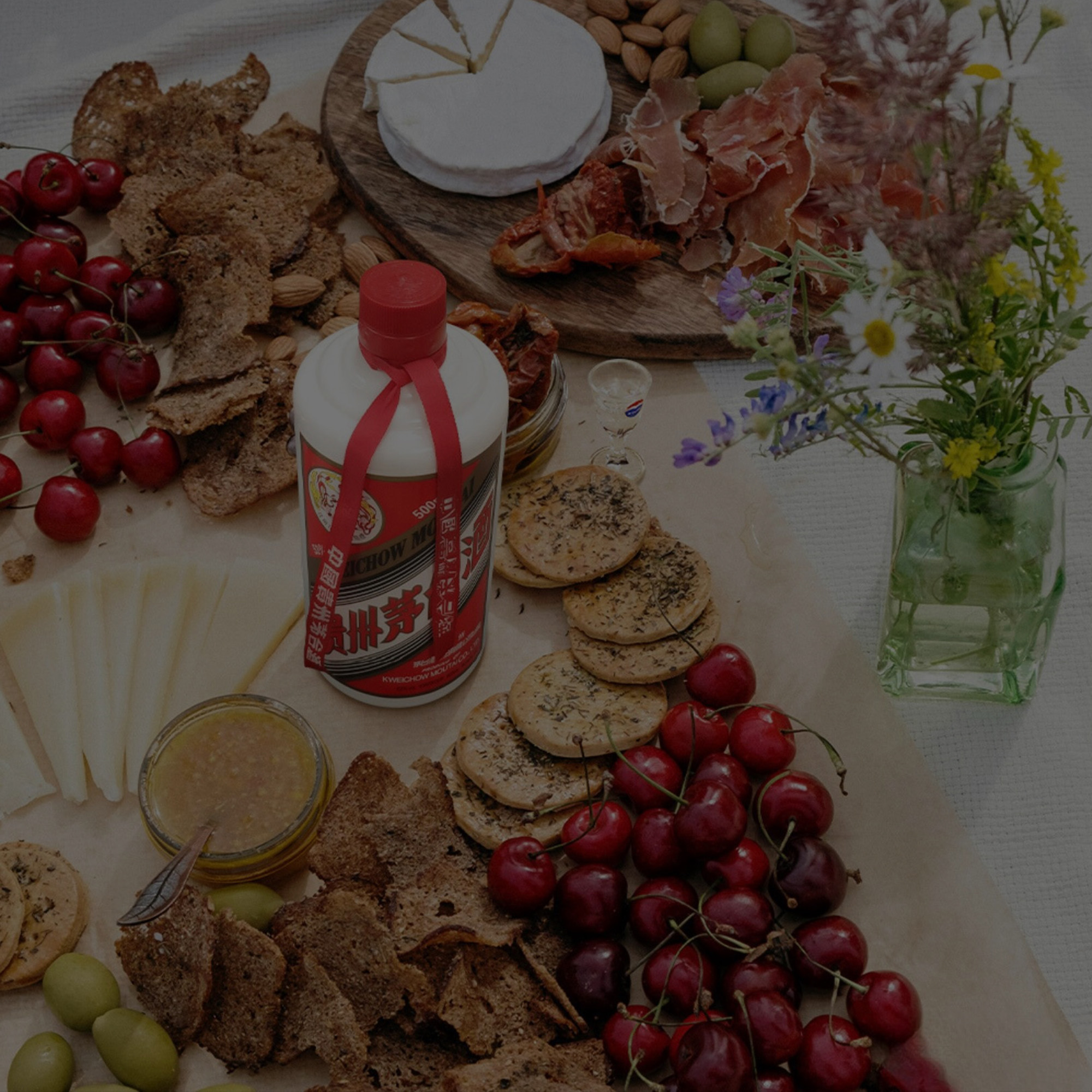
Cold Dishes
Moutai pairs well with cold dishes and snacks, as the light or savory flavors highlight its unique aroma and smooth taste.
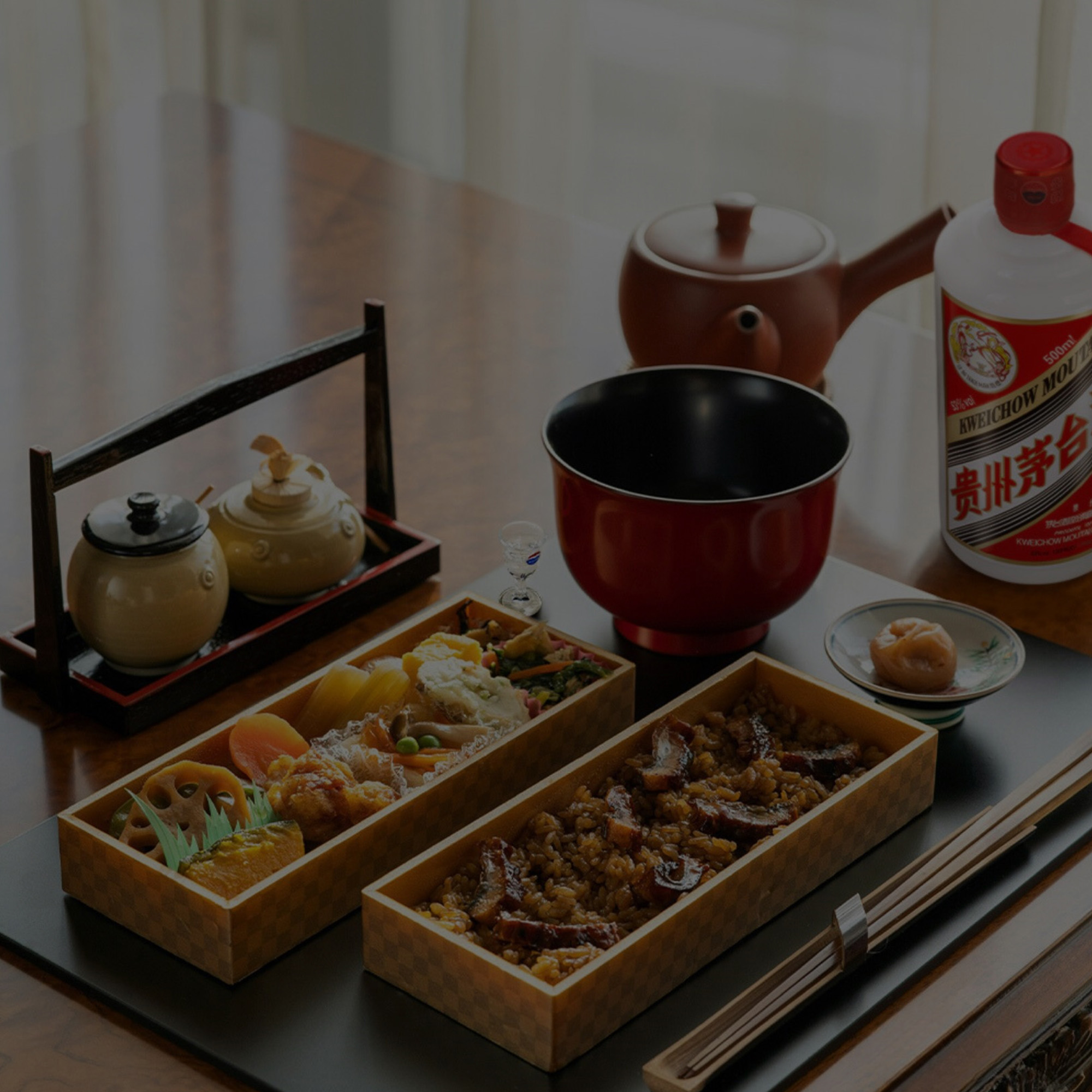
Chinese Cuisine
Moutai pairs well with Chinese dishes by balancing its strong aroma with the rich flavors of the food, enhancing each other for a harmonious experience.
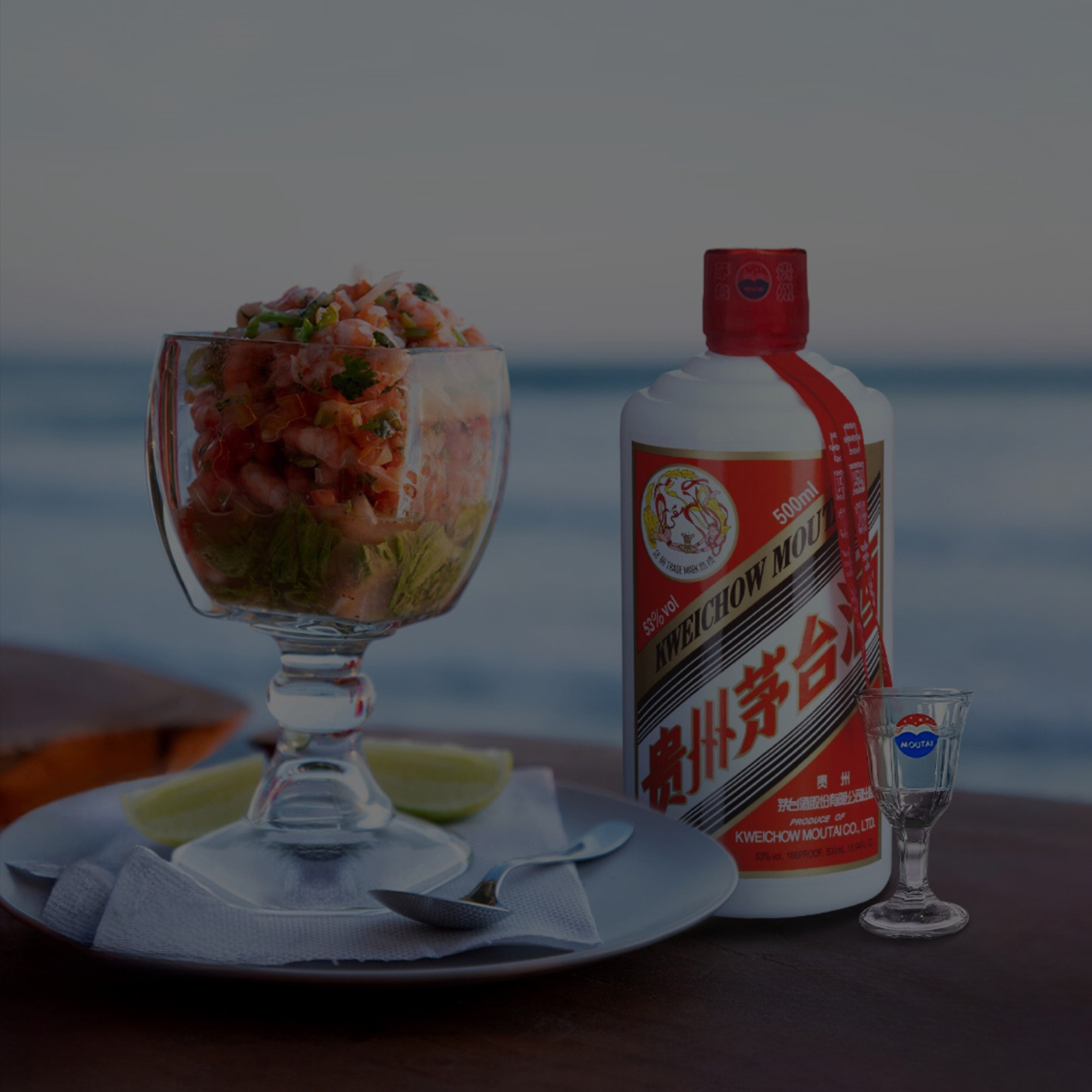
Sashimi
Moutai pairs excellently with seafood sashimi, as its strong aroma enhances the sweetness of the sashimi while adding depth to the fresh taste.
Cold Dishes
Moutai pairs well with cold dishes and snacks, as the light or savory flavors highlight its unique aroma and smooth taste.
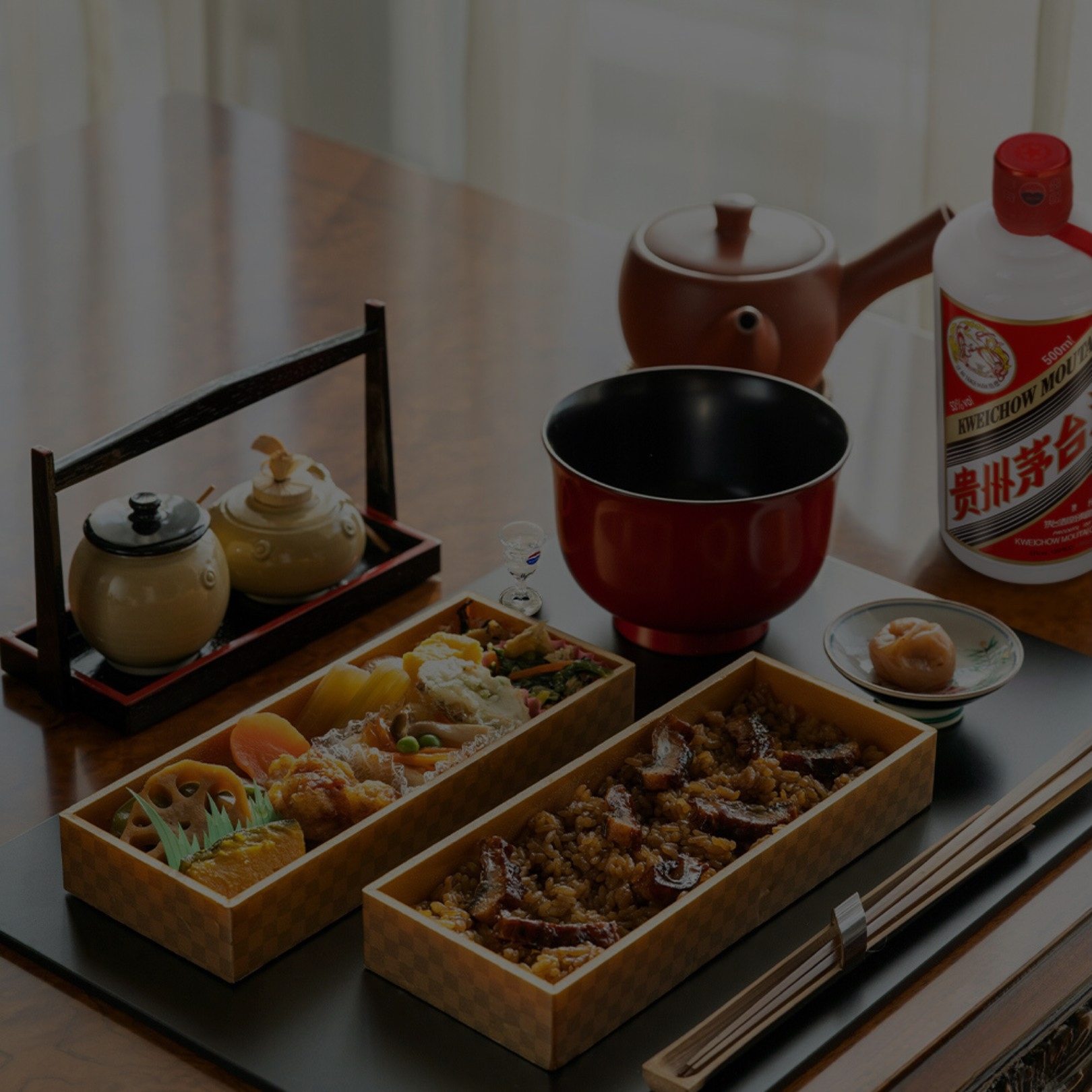
Chinese Cuisine
Moutai pairs well with Chinese dishes by balancing its strong aroma with the rich flavors of the food, enhancing each other for a harmonious experience.

Sashimi
Moutai pairs excellently with seafood sashimi, as its strong aroma enhances the sweetness of the sashimi while adding depth to the fresh taste.